Mitigating zoonotic disease emergence risk in wildlife trade in Southeast Asia


Southeast Asia, home to diverse mammals and birds, faces rising zoonotic risks due to population growth, deforestation, and wildlife trade. Close human-wildlife interactions, often through trade for food and traditional medicine, increase the likelihood of disease spillovers. The organisation EcoHealth Alliance, implemented the project “Mitigating Zoonotic Disease Emergence Risk in Wildlife Trade in Southeast Asia” across Thailand and Vietnam, in collaboration with partners including the Oxford University Clinical Research Unit (Vietnam), Thai Red Cross Emerging Infectious Diseases Clinical Centre, and Chulalongkorn University (Thailand),
 
The project integrated three key components – scientific methods and evidence, human behaviour change, and policy – into pilot studies to form One Health-based risk-mitigation strategy targeting zoonotic spillover risk in the wildlife trade. It aimed to establish an interdisciplinary and cross-sectoral network to facilitate communication and foster collaborations among scientists, policymakers, and communities to promote One Health collaborations in preventing zoonotic disease emergence in wildlife trade. The project showcased One Health approaches to address the challenges at the interconnections of conservation and public health, facilitated dialogue among stakeholders to support evidence-based policymaking, and translated policy into local-context practices.
 
Main results:
 
The uptake of protective measures among bat guano collectors was influenced by specific work and environmental conditions, and many barriers remain in implementation even if a strong willingness to change was expressed. Adapting from existing measures might be a better way than imposing a totally new measure. 
Information sharing and coordination between forestry and animal health departments could be an entry point to improve the management of zoonotic disease risk in wildlife farming. 
Preventative and protective practices should be considered when contact with wildlife is unavoidable as part of local livelihood.
 
Deep Dive: In cooperation with the Bat Guano workers in Thailand:
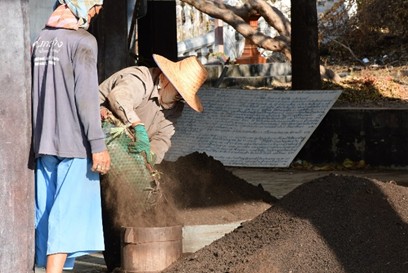
Background: It has been a long tradition for people to collect the Bat Guano from bat caves, which is then used all over the world as nutrient heavy fertilizer. Entering the caves creates a proximity between the animals and the workers and increases the risk for zoonotic spillovers as bats host a large reservoir of potential pathogens.
Activities: The project worked with local health and forestry authorities, industry, and religious partners to pilot and evaluate zoonotic risk mitigation interventions among bat guano workers.
Outcome: The outcome is the adoption of handwashing with water and soap among workers and the sustainable supply of soap on site provided by local business owners. The implementation of wearing N95 protective masks was more difficult, since the masks are physically uncomfortable with the humidity and high temperature at work.
Learnings: This is a great example of behaviour change interventions that mitigate the risk of zoonotic diseases while sustainably supporting bat conservation and income for the communities. The bat guano workers and business owners were very open to learning about the new implications and turning them into reality and they were also open for discussions of future initiatives. During this process, other health and safety issues were also discovered that lead to cooperation with the local clinic.
 
Products:  
Three community engaging and educational books targeting the public and communities, as well as One Health practitioners. 
Living with Wildlife through One Health
One Health in the Wildlife Trade
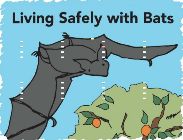
Living Safely with Bats – EcoHealth Alliance
A study report targeting policy stakeholders Understanding Wildlife Farming and Zoonotic Disease Management in Viet Nam
Four manuscripts for peer-reviewed journals targeting scientific communities.  
A workshop and webinar among the Alliance members and beyond. 
Three oral presentations at the 8th World One Health Congress targeting One Health researchers, practitioners, and policy stakeholders.

Overall Outcomes:
Empowering Local Communities: Engaged over 70 bat guano workers and community leaders, integrating their knowledge into health and conservation strategies.
Strengthening Collaboration: Facilitated dialogue among 58 cross-sectoral stakeholders, resulting in actionable plans for sustainable farming and One Health initiatives.
Raising Awareness: Delivered accessible One Health educational tools to audiences in more than nine Asian countries through a volunteer network, boosting understanding of zoonotic risks
Ensuring Sustainability: Secured funding from National Geographic Society and Novo Nordisk Foundation to support long-term, tailored disease risk reduction strategies in wildlife trade.
 
The project had a wide impact on the local communities, national policy stakeholders and other institutions widely involved in wildlife trade, specifically through fostering knowledge exchange and collaboration for safer work and living spaces close to wildlife.
 

Li H, Kim S. 2024. Living Safely with Bats (Bangla). EcoHealth.

Kim S, Li H.2024. One Health in the Wildlife Trade. EcoHealth Alliance.

Kim S, Li H, Daszak P. 2024. Living with Wildlife through One Health. EcoHealth Alliance.

Li H, Nguyen TN, Lawson K, Machalaba C, Bao T, Kim S, Doorn R, Daszak P. 2023. Understanding Wildlife Farming and Zoonotic Disease Management in Viet Nam. EcoHealth Alliance.


Find more information and the overall learnings of the Alliance financed projects in the report “Learning to make Change Happen.- Global Lessons from 18 projects

Next Generation One Health Philippines: Building national capacity for transdisciplinary and translational research and advocacy for wildlife conservation and zoonotic spill over prevention in the next 50 years

The Philippines rank among the top biodiversity hotspots globally, with an estimated 20,000 plant and animal species unique to the archipelago. Yet, growing human pressure on ecosystems is forcing wildlife into closer contact with people. As natural habitats shrink, the risk of zoonotic disease spillover increases: a dynamic that plays a critical role in the potential emergence of future pandemics. 

This project aimed to enhance the domestic capacity of the Philippines for One Health transdisciplinary research and knowledge translation to effectively tackle wildlife trade and biodiversity loss as drivers of infectious disease emergence, with the purpose of preventing future zoonotic spillovers in the next 50 years. This program comprised a small cohort of fifteen professionals from diverse sociocultural and interdisciplinary backgrounds related to One Health, wildlife conservation, and zoonotic spillover prevention.  

Main Outcome:  

  • The fellowship spanned one year, starting with an online course and followed by training in collaborative research, leadership, advocacy, and communication. 
  • With mentorship and small grants, fellows conducted transdisciplinary research on wildlife trade and zoonotic spillover prevention. 
  • Fellows engaged in One Health dialogues to share findings and connect with key stakeholders. 
  • The cohort’s diversity in geography, gender, culture, and discipline enriched learning and collaboration. 
  • Covering the full knowledge cycle, the fellowship nurtures future One Health leaders: scientists, educators, and advocates. 

Products: 

Find more information and the overall learnings of the Alliance financed projects in the report “Learning to make Change Happen.- Global Lessons from 18 projects” 
Reducing Risks in Tanzania’s Game Meat Industry: Developing a One Health Model for Safe, Sustainable and Legal Supply

Wild meat has been an important food source and cultural practice in Tanzania for generations.  This project is framed by Tanzania’s Game Meat Selling Regulations, which, when fast-tracked into law by Presidential decree in 2020, presented both threats and opportunities to manage a legal supply of wild animal meat (i.e., game meat, as distinguished from illegal ‘bushmeat’) for the domestic market.

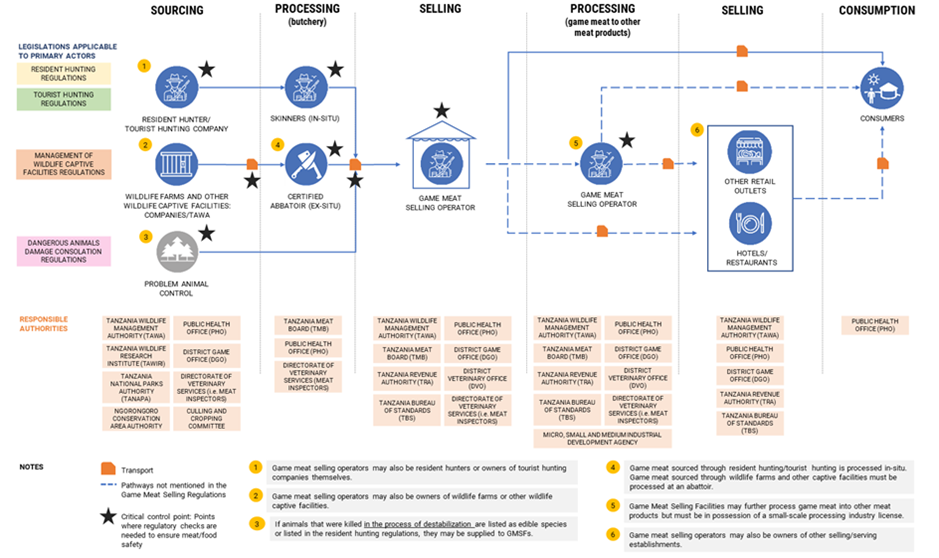
TRAFFIC worked with the Tanzanian Wildlife Management Authority and other government departments and research institutions, as well as private sector and civil society actors. The project has developed a bespoke approach which incorporates One Health concerns together with insights from trade chain analysis to identify critical control points for mitigation of potential zoonotic disease risks and ensure that the game meat industry develops in a safe, legal and sustainable direction.

The Tanzania focus provided a valuable opportunity to develop a specific risk-management approach which has government support from the outset. This project gathered qualitative and quantitative data to understand potential disease and spillover risks via a wildlife disease risk analysis. In developing recommendations for risk management, the project was also considering the importance of livelihoods and socio-economic motivations, traceability and compliance with supply chain management protocols by priority stakeholders.

Main results:

  1. A Game Meat Value Chain Analysis was done and recommendations for managing the game meat supply chain have been consistently provided to relevant government agencies. Through that, an analyses report was written and a species database created.
  2. A Disease Risk Analysis was conducted. This showed an improved understanding of potential risks of zoonotic diseases among government agencies and other supply chain actors. Furthermore, risk reduction measures were identified that could potentially reduce associated disease risk.
  3. The newly proposed meat inspection regulations established a legal framework enabling appointed meat inspectors to assess game meat before it is distributed for retail sale through registered game meat selling facilities across Tanzania. 

Further opportunities for dissemination and sharing of project insights are being pursued beyond the life of the project. 

Outcome:

The project successfully engaged over 2 million individuals through awareness campaigns and training programs. In addition, the One Health collaboration tackled critical risks within the game meat value chain by implementing a systems-based management reform, led by the national Game Meat Selling Advisory Committee. Key achievements included the revision of meat inspection regulations to encompass wild animal meat, ensuring compliance prior to sale through registered game meat selling facilities. The current situation of the game meat industry is now much more understood, and multi-sectoral partners from district level up to national policy makers are now engaged to support the Tanzania Wildlife Management Authority (TAWA), mandated to manage the game meat selling industry, as the lead agency.

Products:

The results were disseminated to global partners and there was Radio, print and online communications and outreach, in both English and Swahili languages. 

Project report by TRAFFIC from June 2024 From Bush to Butchery: THE GAME MEAT VALUE CHAIN IN NORTHERN TANZANIA – Wildlife Trade Report from TRAFFIC

Mdetele DP, Kagembe Q, Thomson J, Komba E, Seth M, Chengula A, Lipende E, Compton J, Beckman KM. 2024. A simple, collaborative prioritization process for wildlife-associated zoonotic diseases in northern Tanzania. International Journal of One Health 10: 91–99. Mdetele DP, Kagembe Q, Thomson J, Komba E, Seth M, Chengula A, Lipende E, Compton J, Beckman KM. 2024. A simple, collaborative prioritization process for wildlife-associated zoonotic diseases in northern Tanzania. International Journal of One Health 10: 91–99.

Timoshyna A, Roe D, Aust P, Compton J, Hiller C, Kagembe Q, Long N, Natusch D, Taylor WA, Rock K. 2025. Safe, sustainable, legal use and trade in wild species: testing a new five-dimensional sustainability assessment. One Health 21: 101245. Timoshyna A, Roe D, Aust P, Compton J, Hiller C, Kagembe Q, Long N, Natusch D, Taylor WA, Rock K. 2025. Safe, sustainable, legal use and trade in wild species: testing a new five-dimensional sustainability assessment. One Health 21: 101245.

Voices from the Ground: Reducing Risks in Tanzania’s Game Meat Industry – International Alliance against Health Risks in Wildlife Trade

Article on Zoonosis day: Current Zoonotic Diseases Challenges In The East Africa Region – Wildlife Trade News from TRAFFIC

Find more information and the overall learnings of the Alliance financed projects in the report “Learning to make Change Happen.- Global Lessons from 18 projects